How to Choose the Right Tactical Backpack Manufacturer
Selecting the ideal tactical backpack manufacturer is critical for ensuring your gear meets the demands of military operations, outdoor adventures, or emergency response scenarios. With countless suppliers claiming to offer “high-quality” products, distinguishing reliable partners from subpar ones requires careful evaluation. This guide outlines key factors to consider when choosing a manufacturer, ensuring durability, functionality, and cost-effectiveness.
1. Assess Manufacturing Expertise & Experience
A manufacturer’s industry experience directly impacts product quality. Look for companies with a proven track record in producing tactical gear, particularly those who have collaborated with military units, law enforcement agencies, or outdoor professionals.
- Specialization Matters: Avoid generalists; prioritize manufacturers focused exclusively on tactical equipment. Their expertise ensures designs are optimized for real-world use.
- Certifications & Standards: Verify compliance with military specifications (MIL-SPEC) or industry standards like IP ratings (water/dust resistance) and ISO 9001 (quality management systems).
- Case Studies & References: Request testimonials or case studies from clients in similar fields. A manufacturer that has supplied gear for high-stakes environments (e.g., combat zones, disaster relief) is more likely to deliver reliability.
2. Evaluate Material Quality & Durability
Tactical backpacks endure extreme conditions, so material selection is non-negotiable. The right manufacturer uses rugged, weather-resistant fabrics and reinforced stitching to ensure longevity.
- Fabric Types:
- 1000D Nylon: Lightweight yet abrasion-resistant, ideal for daily use.
- Cordura®: Known for its tear strength and UV resistance, commonly used in military-grade packs.
- Waterproof Coatings: Look for DWR (Durable Water Repellent) or laminated fabrics like XPAC® for submersion protection.
- Construction Details:
- Double-Stitched Seams: Prevent fraying under heavy loads.
- Bar-Tack Reinforcements: Critical stress points (e.g., shoulder straps, handle attachments) should feature extra stitching.
- YKK Zippers: The industry standard for smooth, corrosion-resistant operation.
3. Analyze Design & Functionality
A tactical backpack’s ergonomics and modularity determine its practicality. The manufacturer should prioritize user-centric features tailored to specific missions.
- Modular Systems:
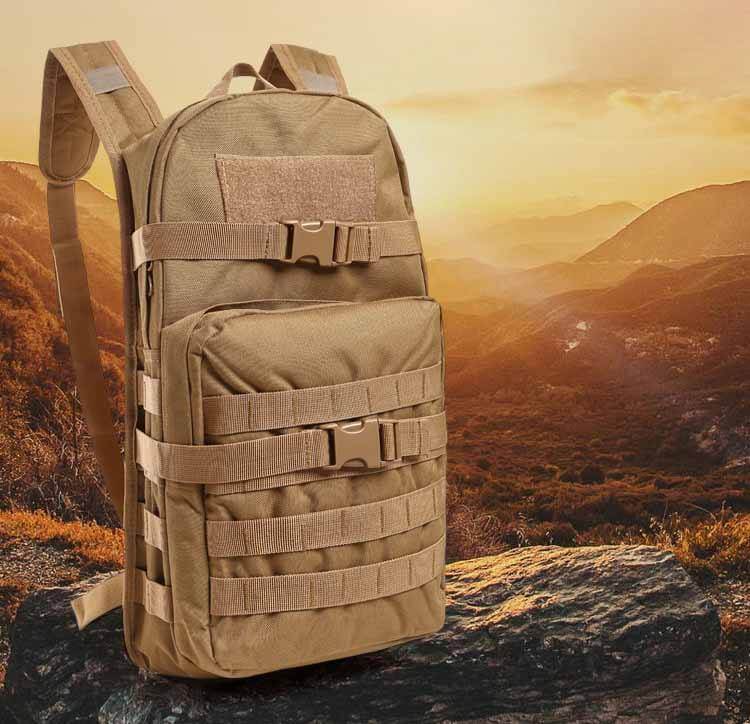
- MOLLE/PALS Webbing: Allows attachment of pouches, tools, or hydration systems.
- Adjustable Compartments: Dividers or removable panels for customizable storage.
- Comfort Features:
- Padded Shoulder Straps & Back Panels: Ventilated designs (e.g., mesh padding) reduce heat buildup.
- Sternum & Waist Belts: Distribute weight evenly for prolonged carry.
- Low-Light Visibility:
- Reflective accents or IR-compatible patches for nighttime operations.
4. Review Customization Capabilities
If your organization requires branding or mission-specific modifications, choose a manufacturer offering customization options.
- Logo Placement: Embroidery or laser-etched branding for team identification.
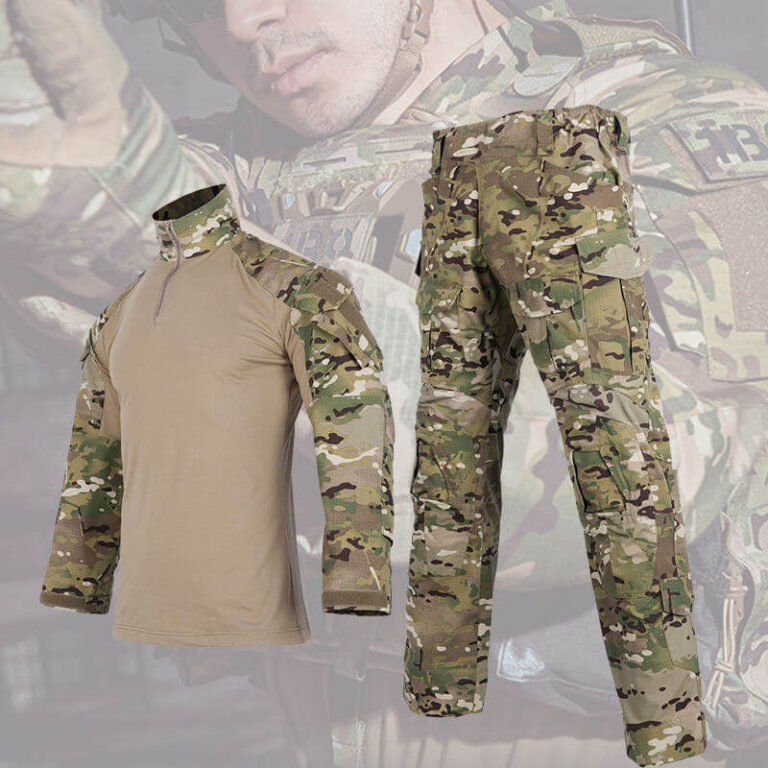
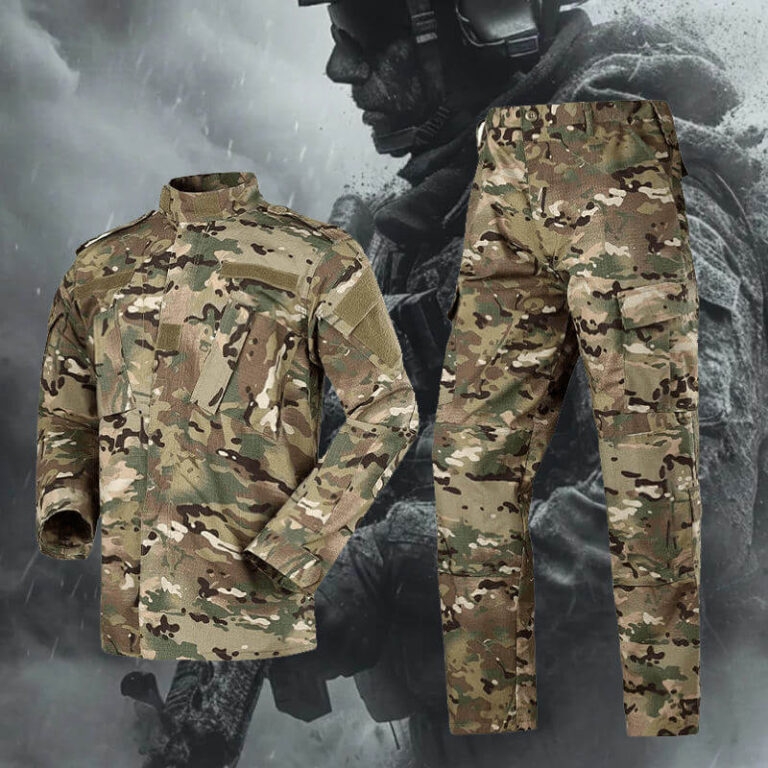
- Color & Camo Patterns: Match operational environments (e.g., Multicam, A-TACS).
- Functional Add-Ons: Hydration bladder compatibility, radio pockets, or concealed carry compartments.
5. Compare Pricing & Value
While cost is a factor, prioritize value over the lowest price. Cheap backpacks often compromise on materials or craftsmanship, leading to frequent replacements.
- Bulk Discounts: Manufacturers may offer reduced pricing for large orders (e.g., 50+ units).
- Warranty & After-Sales Support: A 5-year warranty reflects confidence in product durability. Ensure the manufacturer provides repair or replacement services.
- Hidden Costs: Factor in shipping, taxes, and potential import fees for international suppliers.
6. Verify Ethical & Sustainable Practices
Modern buyers increasingly value ethical manufacturing. Partner with companies that prioritize worker safety, fair wages, and eco-friendly processes.
- Certifications: Look for Bluesign® (safe textile production) or Fair Trade labels.
- Recycling Programs: Some manufacturers offer take-back initiatives for end-of-life gear.
7. Request Samples & Prototypes
Before committing to a large order, test samples to assess real-world performance.
- Field Testing: Use the backpack in conditions it’s designed for (e.g., rain, rough terrain).
- Feedback Loop: Share test results with the manufacturer to refine designs if needed.
Conclusion
Choosing the right tactical backpack manufacturer hinges on expertise, material quality, design practicality, and long-term value. By prioritizing these factors, you ensure your gear enhances operational efficiency and withstands the toughest challenges. For organizations seeking a trusted partner, Fastwolf exemplifies these standards with 15+ years of MIL-SPEC compliance and customizable solutions for global defense forces.
Final Tip: Always request a detailed quote and production timeline upfront to avoid delays or miscommunications.
This guide equips you to make an informed decision, balancing performance, budget, and ethical considerations.