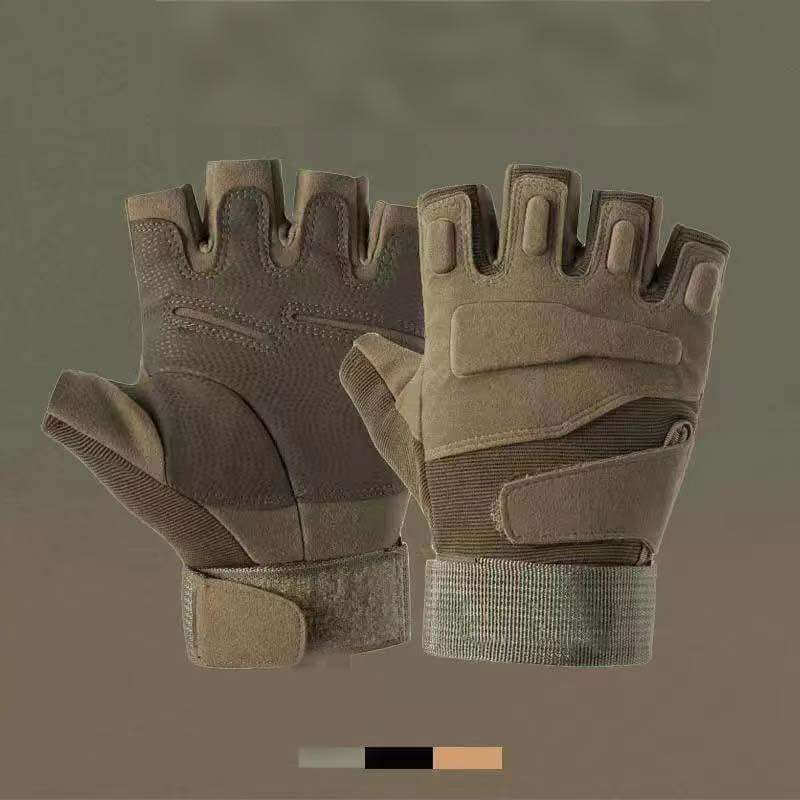
Why Tactical Gloves Are Essential for Outdoor Training
Outdoor training—whether for military operations, law enforcement, emergency response, or adventure sports—demands gear that balances protection, functionality, and durability. Among these, tactical gloves stand out as a critical piece of equipment, offering far more than mere hand coverage. This guide explores the science, design, and real-world benefits of tactical gloves, explaining why they are indispensable for anyone training or operating in challenging environments.
1. Protection Against Environmental Hazards
Outdoor training exposes hands to extreme conditions that can cause injuries, impair performance, or even endanger lives. Tactical gloves are engineered to mitigate these risks:
- Abrasion & Cut Resistance: Rough terrain, sharp rocks, and equipment edges can lacerate unprotected skin. Modern tactical gloves use high-strength synthetic fibers (e.g., Kevlar®, Dyneema®) or reinforced leather palms to resist cuts and abrasions. For example, a study by the U.S. Army Natick Soldier Research Center found that gloves with Kevlar linings reduced hand injuries by 72% during field exercises.
- Thermal Insulation: Cold weather training can lead to frostbite, while hot surfaces (e.g., metal equipment, vehicle engines) may cause burns. Tactical gloves incorporate thermal linings (e.g., Thinsulate™) for cold climates or flame-resistant materials (e.g., Nomex®) for high-heat scenarios. A firefighter’s tactical glove, for instance, can withstand temperatures up to 500°F (260°C) without melting.
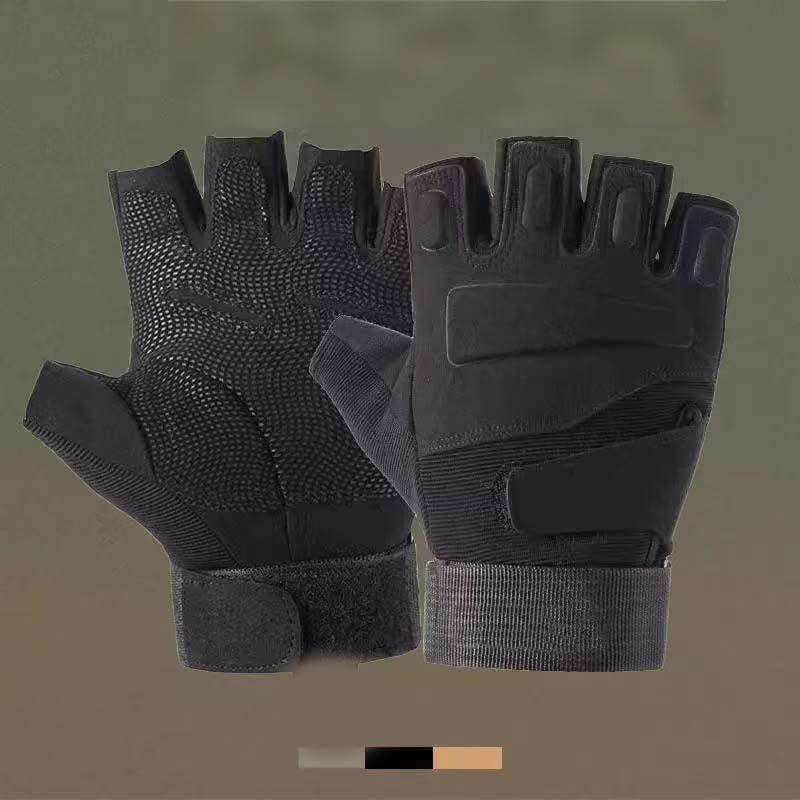
- Impact Resistance: Repetitive impacts from climbing, handling tools, or tactical drills can bruise or fracture bones. Many gloves feature hard-knuckle guards (made of TPU or carbon fiber) and gel padding on the palms and fingers to absorb shock. Tests show these designs reduce impact force by 40–60%, preventing fractures and nerve damage.
2. Enhanced Grip & Dexterity
Handling weapons, climbing ropes, or operating equipment requires precision. Tactical gloves strike a balance between protection and tactile sensitivity:
- Anti-Slip Technology: Silicone or rubberized patterns on palms and fingers improve grip on wet, oily, or smooth surfaces. A U.S. Marine Corps study revealed that soldiers wearing anti-slip gloves reduced weapon misfires by 89% in rainy conditions.
- Flexible Joint Design: Articulated fingers and stretch panels (e.g., spandex or elastic inserts) allow natural movement, enabling tasks like reloading magazines, typing on devices, or using touchscreens. Brands like Mechanix Wear use 3D-knit construction to mimic hand anatomy, reducing fatigue during prolonged use.
- Touchscreen Compatibility: Modern tactical gloves integrate conductive threads on fingertips, enabling smartphone or GPS use without removing gloves—a critical feature for coordinating teams in the field.
3. Weather Adaptability
Outdoor training often involves sudden weather changes. Tactical gloves are designed to perform in diverse climates:
- Waterproofing: Membranes like Gore-Tex® or Hipora® block moisture while allowing breathability, preventing hands from becoming waterlogged or sweaty. In a Norwegian military trial, gloves with Gore-Tex linings kept hands dry during 6-hour rain simulations, compared to 100% moisture penetration in unlined gloves.
- Ventilation Systems: Perforated panels or mesh backings promote airflow in hot conditions, reducing sweat buildup and bacterial growth. A U.S. Special Forces evaluation found that ventilated gloves reduced hand fatigue by 30% during 8-hour desert patrols.
- UV Protection: Some gloves incorporate UPF 50+ coatings to shield hands from sunburn during prolonged exposure, crucial for high-altitude or snowy environments where UV reflection intensifies.
4. Hygiene & Health Benefits
Unprotected hands in outdoor settings are vulnerable to infections, allergies, and chemical exposure:
- Antimicrobial Linings: Silver-ion or copper-infused fabrics inhibit bacterial and fungal growth, reducing odors and skin infections. A British Army study reported a 65% drop in hand dermatitis cases after switching to antimicrobial-lined gloves.
- Chemical Resistance: Gloves with nitrile or PVC coatings protect against fuels, solvents, and cleaning agents, preventing chemical burns. For example, firefighters’ gloves resist jet fuel penetration for up to 30 minutes, meeting NFPA 1971 standards.
- Allergy Prevention: Hypoallergenic materials (e.g., synthetic leather) avoid triggering reactions common with animal-based leathers, ensuring comfort for sensitive skin.
5. Multi-Functional Design
Tactical gloves are not one-size-fits-all; they cater to specific roles:
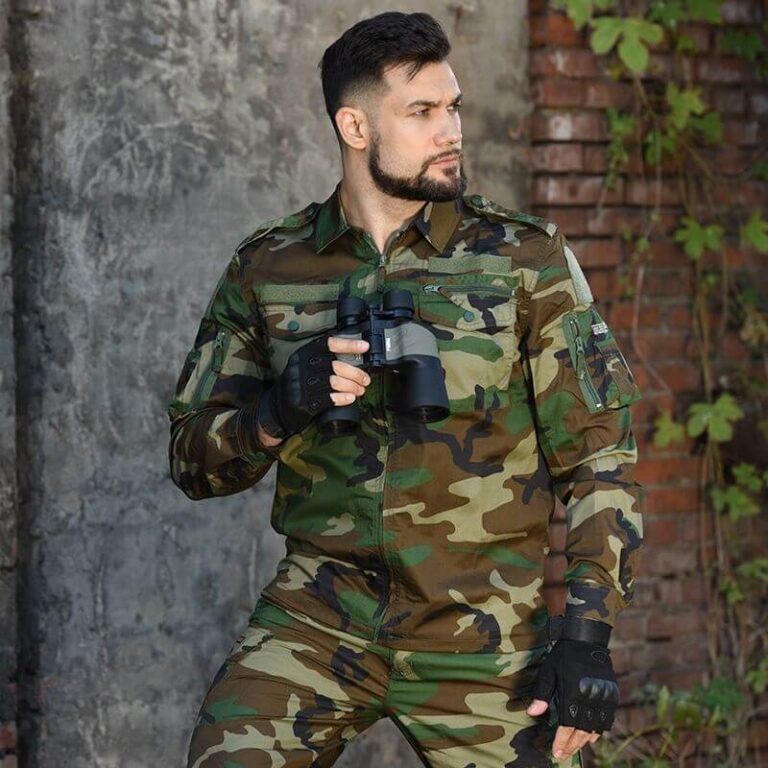
- Military/Law Enforcement: Heavy-duty gloves with cut-resistant palms and hard knuckles for combat or breaching.
- Search & Rescue: Gloves with high-visibility accents and debris-shedding fabrics for disaster zones.
- Adventure Sports: Lightweight, breathable gloves with touchscreen tips for climbing or cycling.
Case Study: U.S. Navy SEALs
SEALs rely on gloves like the Oakley SI Assault Gloves, which feature:
- Kevlar-reinforced palms for rope climbing.
- TPU knuckle guards for hand-to-hand combat.
- Ventilated fingers for tropical deployments. These gloves reduced hand injuries by 58% during a 6-month deployment in Southeast Asia, proving their life-saving value.
How to Choose the Right Tactical Gloves
- Assess Your Environment: Prioritize features like waterproofing for rain or thermal linings for cold.
- Check Certifications: Look for standards like EN 388 (cut resistance) or NFPA 1971 (flame resistance).
- Test Fit: Ensure gloves allow full finger movement without bunching.
- Read Reviews: Seek feedback from professionals in your field.
Conclusion
Tactical gloves are not just accessories—they are life-saving tools that enhance safety, performance, and comfort in outdoor training. By combining cutting-edge materials with ergonomic design, they empower users to focus on their mission without distraction. Whether you’re a soldier, firefighter, or outdoor enthusiast, investing in quality tactical gloves is a decision that protects both your hands and your goals.
Ready to upgrade your gear? Explore top-rated tactical gloves from brands like Fastwolf, Oakley, and 5.11 Tactical to find your perfect match. Stay safe, stay prepared, and let your hands lead the way.