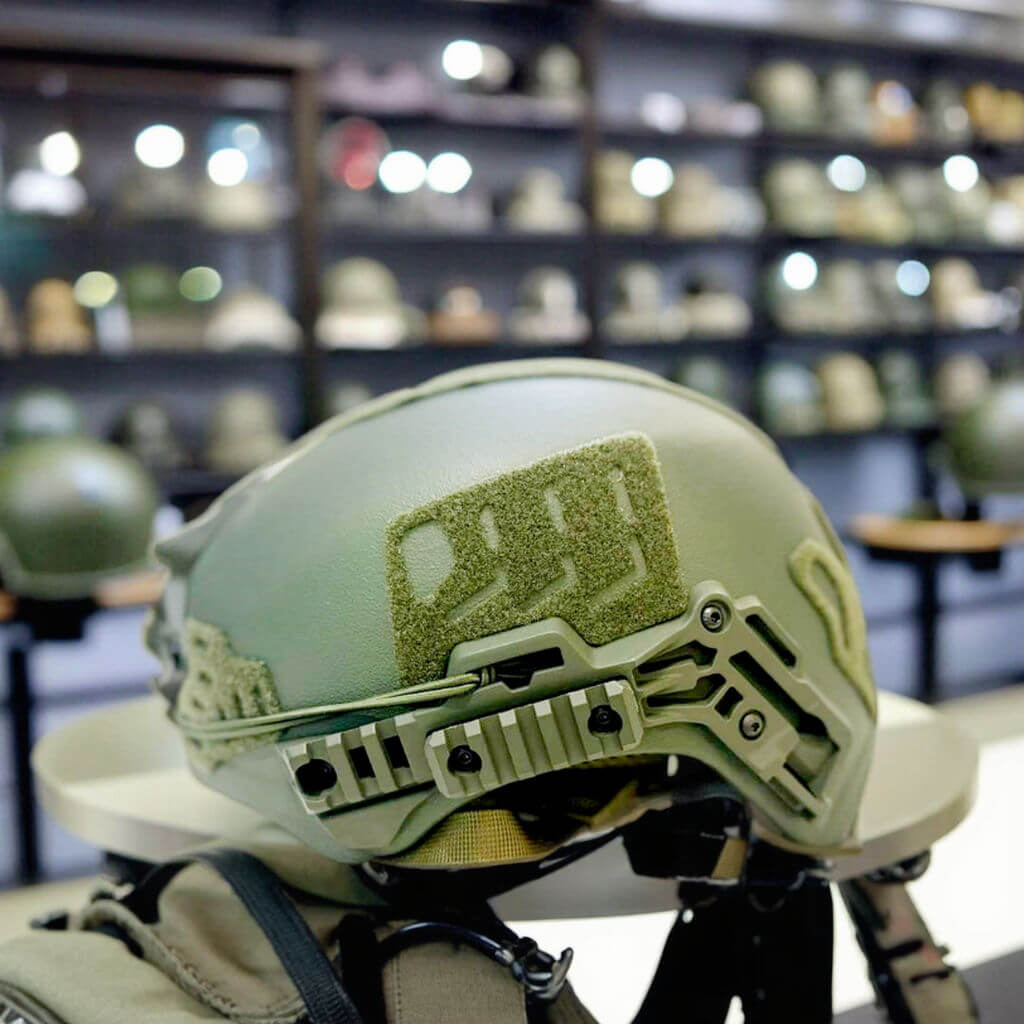
Common Challenges When Importing Tactical Gear from China
Importing tactical equipment from China offers cost advantages and access to a vast manufacturing ecosystem, but buyers must navigate regulatory, logistical, and quality-related hurdles. This guide let’s explore key challenges and provides actionable solutions to ensure smooth procurement.
1. Regulatory and Compliance Risks
a. Export Control Restrictions
China’s tactical gear exports are subject to strict dual-use regulations, governed by the State Administration of Science, Technology, and Industry for National Defense (SASTIND). Items like body armor, night vision devices, and encrypted communication tools may require export licenses or fall under embargoes targeting specific countries.
- Solution: Verify whether your product is classified as “military-grade” and confirm the exporter’s license status. For example, Fastwolf, a certified Chinese manufacturer, ensures compliance by obtaining SASTIND approval for all ballistic helmets and tactical vests.
b. International Import Regulations
Buyers must adhere to their home country’s laws. For instance:
- U.S.: The International Traffic in Arms Regulations (ITAR) restricts certain tactical gear (e.g., thermal scopes).
- EU: The Dual-Use Regulation (EU 2021/821) requires licenses for items like laser aiming devices.
- Solution: Partner with exporters familiar with global compliance. Fastwolf provides country-specific compliance documentation to streamline customs clearance.
2. Quality Control and Product Integrity
a. Inconsistent Standards
Chinese factories may use subpar materials to cut costs, leading to durability issues. For example, low-grade ballistic helmets might fail NIJ IIIA certification despite labeling claims.
- Solution: Request third-party testing reports (e.g., from SGS or Intertek) and conduct sample inspections before bulk orders. Fastwolf’s products undergo NIJ-standard ballistic testing and MIL-STD-810G environmental testing for reliability.
b. Counterfeit Products
The market is rife with knockoffs of brands like Crye Precision or 5.11 Tactical. These fakes often lack proper stitching, use inferior fabrics, and compromise safety.
- Solution: Work with verified manufacturers with a track record. Fastwolf’s OEM/ODM services include custom branding and anti-counterfeiting measures like RFID tags or laser-etched serial numbers.
3. Logistical and Supply Chain Challenges
a. Shipping Delays and Costs
Global shipping disruptions (e.g., port congestion, container shortages) can delay deliveries by weeks. Additionally, rising freight rates (e.g., $15,000+ for a 40-foot container from China to the U.S.) strain budgets.
- Solution: Opt for air freight for urgent orders or dual-sourcing to mitigate risks. Fastwolf partners with DHL, FedEx, and regional logistics firms to offer flexible shipping options, including DDP (Delivered Duty Paid) to simplify customs.
b. Intellectual Property (IP) Risks
Chinese factories may replicate proprietary designs without permission, leading to legal disputes. For example, a U.S. tactical gear brand recently sued a Chinese supplier for copying its modular vest system.
- Solution: Secure non-disclosure agreements (NDAs) and patent registrations before sharing designs. Fastwolf signs IP protection agreements with clients and uses proprietary manufacturing processes to safeguard innovations.
4. Payment and Financial Security
a. Fraud and Scams
Unverified suppliers may demand upfront payments via untraceable methods (e.g., Western Union) and disappear after receiving funds.
- Solution: Use secure payment platforms like Trade Assurance or letters of credit (LCs). Fastwolf accepts T/T (Telegraphic Transfer) with 30% deposit and 70% upon inspection, ensuring transparency.
b. Currency Fluctuations
The RMB-USD exchange rate can impact costs. For example, a 5% appreciation in the RMB could increase product prices by the same margin.
- Solution: Negotiate fixed pricing contracts or hedge currency risks. Fastwolf offers USD-denominated invoicing to shield buyers from volatility.
5. Cultural and Communication Barriers
a. Language and Time Zone Differences
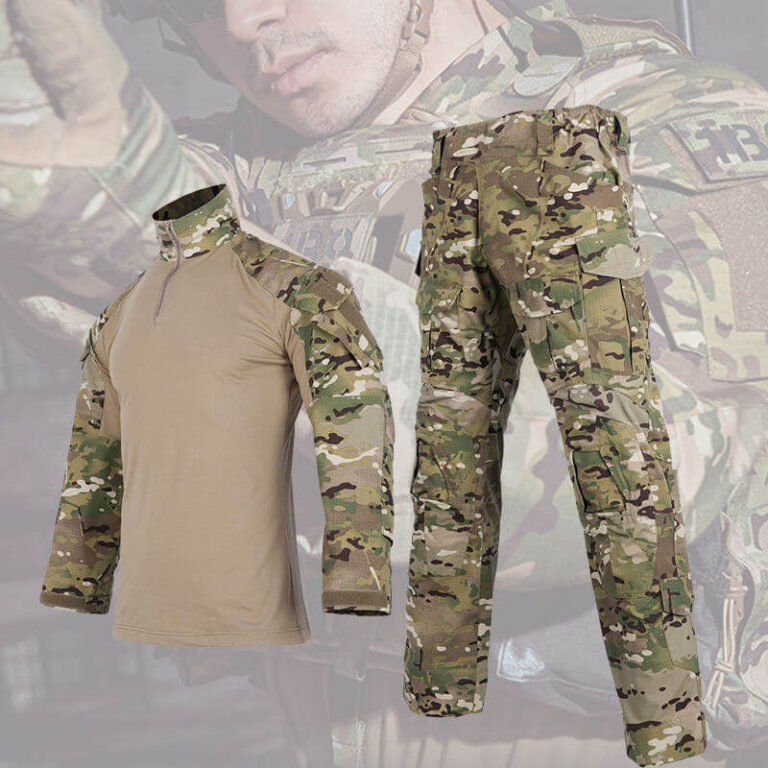
Miscommunication about specifications (e.g., color codes, measurements) can lead to errors. For instance, a European buyer once received tactical pants in the wrong size due to a metric-imperial conversion mix-up.
- Solution: Work with exporters employing bilingual staff and use detailed product sheets. Fastwolf’s team includes English-speaking engineers and provides 3D design mockups to confirm details.
b. Business Etiquette Missteps
Chinese suppliers may prioritize long-term relationships over short-term gains. Pressuring them for discounts or rushed orders can damage trust.
- Solution: Build rapport through face-to-face visits or video calls. Fastwolf hosts virtual factory tours to demonstrate transparency and foster collaboration.
Conclusion
Importing tactical gear from China requires diligence but offers significant rewards. By addressing regulatory, quality, logistical, financial, and cultural challenges head-on, buyers can secure reliable partnerships. Fastwolf, with its certified compliance, rigorous testing, and client-centric approach, exemplifies how Chinese manufacturers are elevating standards to meet global demands. For those seeking cost-effective, high-performance tactical solutions, partnering with a trusted exporter like Fastwolf can mitigate risks and ensure operational success.
Pro Tip: Always conduct due diligence by checking supplier reviews, requesting references, and starting with small trial orders before scaling up.