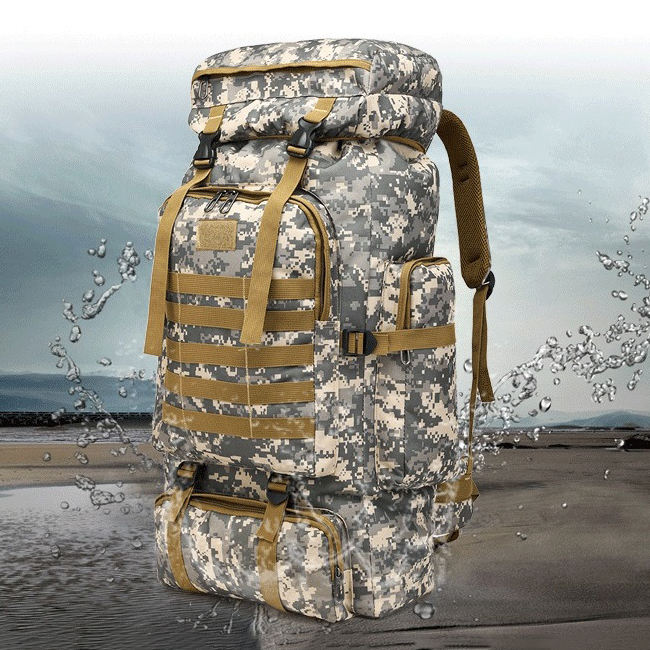
How to Choose the Perfect Tactical Backpack: A Comprehensive Guide
Whether you’re preparing for a military operation, a wilderness expedition, or everyday carry (EDC), a tactical backpack is your lifeline for organization, durability, and adaptability. But with countless options flooding the market, selecting the right one requires careful consideration. This guide breaks down the key factors to help you make an informed decision.
1. Define Your Purpose & Environment
Before browsing specs, clarify your needs:
- Military/Law Enforcement: Prioritize ballistic-resistant materials, MOLLE compatibility, and modular compartments for gear like armor plates, radios, and medical kits.
- Outdoor Survival: Look for weatherproofing (e.g., IPX4+ ratings), hydration bladder compatibility, and attachment points for tools like axes or sleeping bags.
- Urban EDC: Opt for low-profile designs with concealed carry compartments, RFID-blocking pockets, and anti-theft features like lockable zippers.
- Travel/Bug-Out: Choose expandable storage, detachable daypacks, and compression straps to manage varying loads.
Pro Tip: Match the backpack’s features to your most frequent use case, but ensure versatility for unexpected scenarios.
2. Key Features to Evaluate
A. Material & Durability
- Fabric: Seek 500D–1000D nylon or Cordura® for abrasion resistance. Ripstop weaves prevent tears from spreading.
- Coatings: Water-resistant treatments (e.g., DWR) shield against light rain; fully waterproof packs (e.g., with TPU laminate) are ideal for wet environments.
- Reinforcements: Double-stitched seams, bar-tacked stress points, and padded bases protect against wear.
B. Capacity & Organization
- Volume: Measured in liters (e.g., 20L–60L+). Smaller packs (20–30L) suit EDC; larger ones (40L+) are better for multi-day trips.
- Compartments: Multiple pockets (e.g., admin panels, laptop sleeves) and quick-access zippers keep gear sorted.
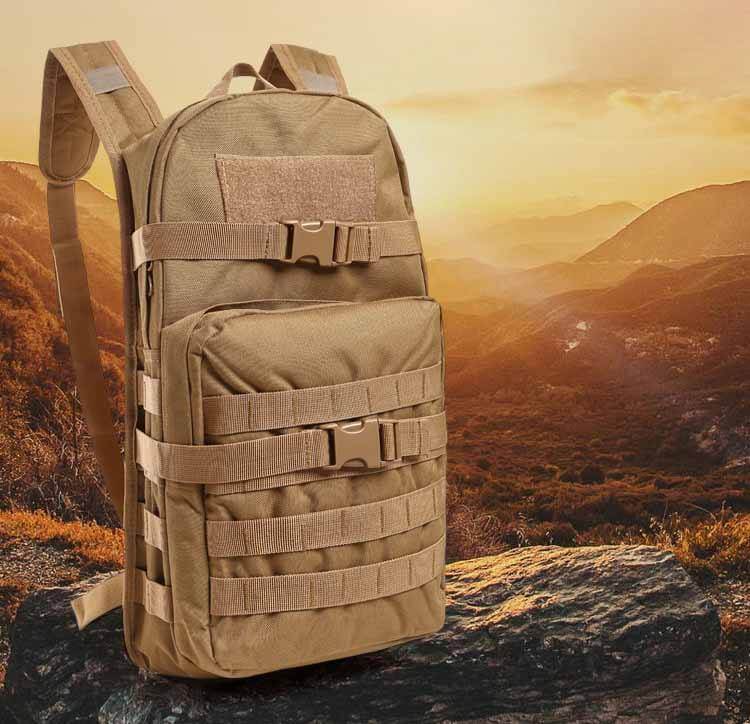
- MOLLE/PALS Webbing: Allows customization with pouches, holsters, and tools via modular attachments.
C. Comfort & Ergonomics
- Padded Shoulder Straps: Contoured designs with breathable mesh distribute weight evenly.
- Hip Belt: Stabilizes heavy loads and transfers weight to your hips (critical for packs over 30L).
- Back Panel: Ventilated channels (e.g., airflow mesh) reduce sweat buildup during prolonged use.
- Adjustability: Loops, straps, and adjustable torso lengths accommodate different body types.
D. Specialized Features
- Hydration Compatibility: Built-in sleeves and hose ports for water bladders.
- Compression Straps: Tighten loads to prevent shifting and improve balance.
- Concealed Carry: Dedicated compartments for firearms or valuables.
- Emergency Tools: Integrated whistles, SOLAS-grade reflective strips, or fire starters.
3. Common Mistakes to Avoid
- Overpacking: A pack’s capacity is a maximum, not a target. Overloading strains your back and reduces mobility.
- Ignoring Fit: Test the backpack with weight (e.g., 10–15lbs) to ensure the hip belt sits on your iliac crests and straps don’t dig into your shoulders.
- Sacrificing Quality for Price: Cheap zippers, weak stitching, and flimsy materials will fail under stress. Invest in reputable brands like 5.11 Tactical, Mystery Ranch, or Direct Action.
- Neglecting Weather Needs: A pack without a rain cover or waterproofing may leave gear ruined in downpours.
4. Top Brands & Where to Buy
- Military-Grade: Direct Action (modular designs), Eagle Industries (U.S. military contractor), and Crye Precision (high-end durability).
- Outdoor Focus: Mystery Ranch (ergonomic load transfer), Osprey (ventilated back panels), and Kelty (budget-friendly options).
- Urban/EDC: 5.11 Tactical (discrete compartments), Vertx (low-profile aesthetics), and Vanquest (customizable layouts).
Where to Shop:
- Direct from Brands: Ensure authenticity and warranties.
- Tactical Retailers: OpticsPlanet, LA Police Gear, or TacticalGear.com for curated selections.
- Military Surplus: Affordable basics (inspect for damage and verify compliance with local laws).
5. Final Checklist Before Purchase
✅ Test the fit with weighted straps.
✅ Verify MOLLE compatibility with your existing pouches.
✅ Check zipper durability (YKK® zippers are industry-standard).
✅ Ensure water resistance matches your environment.
✅ Confirm the warranty covers wear and tear.
Pro Tip: Start with a mid-sized pack (30–40L) for versatility, then upgrade as your needs evolve. Remember: The best tactical backpack isn’t the most expensive—it’s the one that fits your mission, body, and budget perfectly.